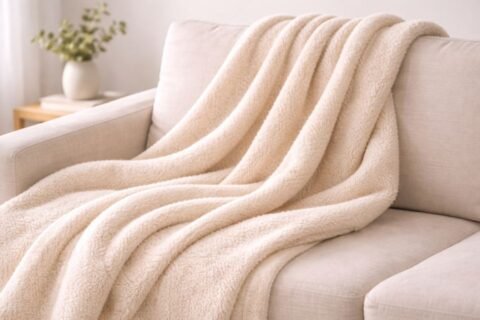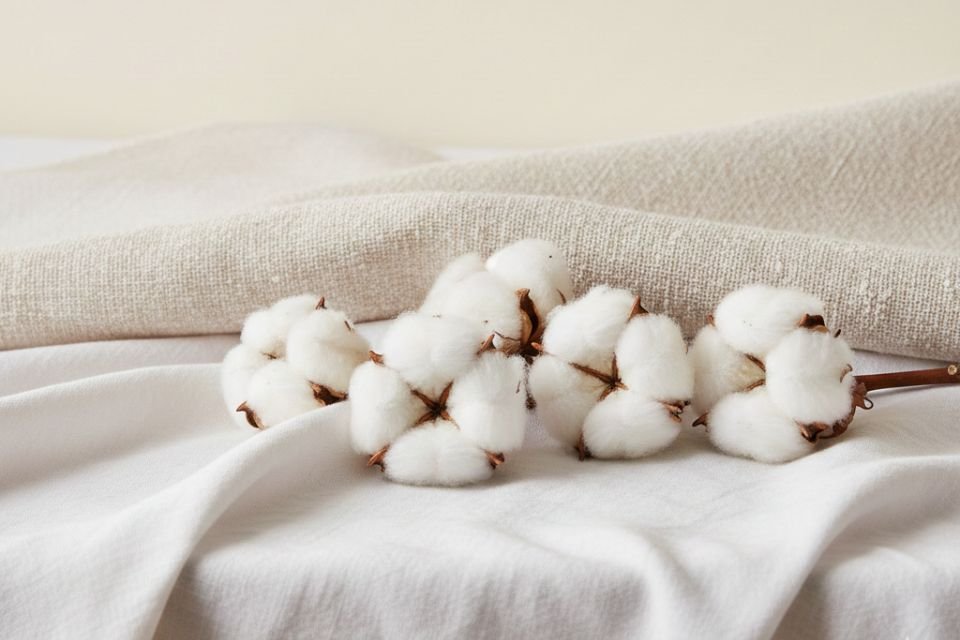
Cotton is one of the most widely used natural fibers in the world. From clothing and bedding to medical supplies and household items, cotton plays a vital role in everyday life. Despite its common presence, many people are unaware of where cotton comes from, how it is made, and why it remains such a popular material today. In this article, we’ll explore what cotton is, the different types of cotton, its benefits, and how it is used in daily life.
1. What Is Cotton?
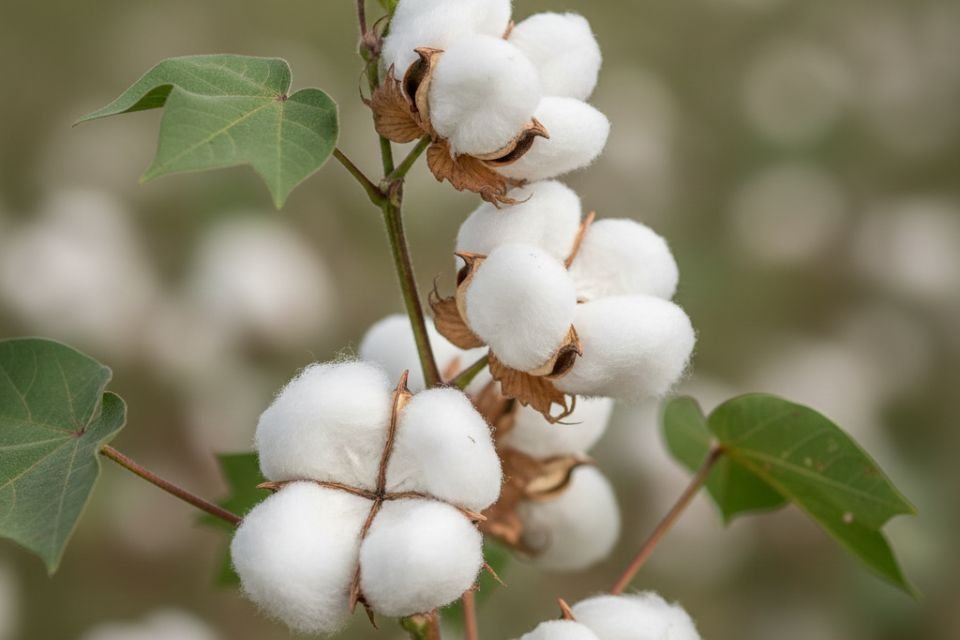
Cotton is a natural fiber harvested from the cotton plant, which belongs to the genus Gossypium. The fiber grows in fluffy bolls around the seeds of the plant and is harvested once the bolls open.
Unlike synthetic fibers, cotton is a plant-based material. This means it is breathable, biodegradable, and generally gentle on the skin. Cotton has been used for thousands of years, with early evidence of cotton textiles found in ancient civilizations such as India, Egypt, and the Americas.
Today, cotton remains one of the most important agricultural crops worldwide.
2. How Cotton Is Made
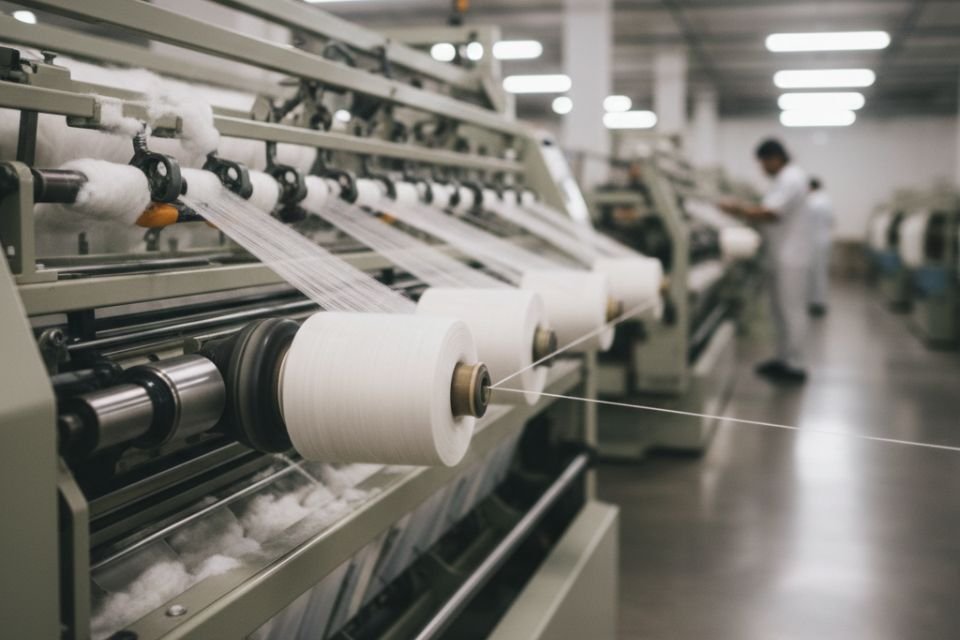
The process of turning raw cotton into fabric involves several steps:
- Harvesting – Cotton bolls are picked either by hand or machine.
- Ginning – The fibers are separated from the seeds.
- Spinning – The fibers are twisted into yarn.
- Weaving or Knitting – Yarn is turned into fabric.
- Finishing – The fabric may be washed, dyed, or treated for softness and durability.
Each step affects the final quality of the cotton fabric, including its softness, strength, and appearance.
3. Types of Cotton
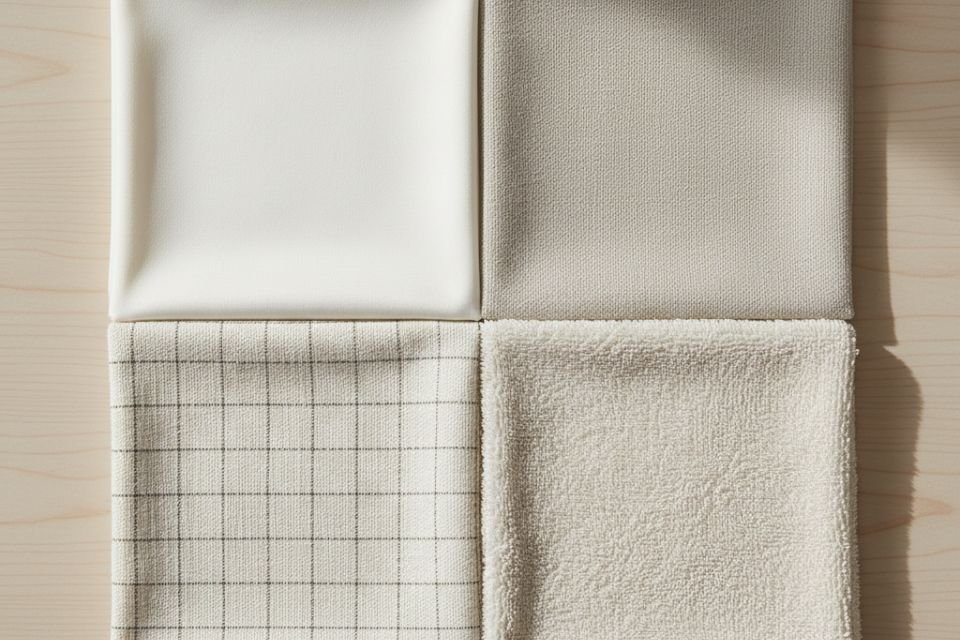
Not all cotton is the same. Different varieties have different characteristics depending on fiber length, softness, and strength.
Upland Cotton
Upland cotton is the most common type, accounting for the majority of global cotton production. It has medium-length fibers and is widely used in everyday clothing, sheets, and towels.
Pima Cotton
Pima cotton is known for its long fibers, which create a smoother, stronger, and softer fabric. It is often used in higher-quality clothing and bedding.
Egyptian Cotton
Egyptian cotton is made from extra-long fibers grown in specific regions. It is prized for its luxurious feel, durability, and smooth texture.
Organic Cotton Organic cotton is grown without synthetic pesticides or fertilizers. While its texture may vary, it is often chosen by people who prioritize environmental sustainability and reduced chemical exposure.
4. Benefits of Cotton
Cotton offers many advantages that explain its long-lasting popularity.
Breathability
Cotton allows air to circulate, helping regulate body temperature. This makes it comfortable to wear in both warm and mild climates.
Softness
Cotton fibers are naturally soft, especially when processed carefully. This makes cotton fabrics gentle on sensitive skin.
Moisture Absorption
Cotton absorbs moisture well, which helps keep the skin dry and comfortable.
Durability
High-quality cotton fabrics can withstand frequent washing and everyday wear.
Hypoallergenic Properties Cotton is less likely to irritate the skin compared to some synthetic materials, making it suitable for people with allergies or skin sensitivities.

5. Cotton vs. Synthetic Fabrics
Compared to synthetic fabrics like polyester or nylon, cotton offers a different set of qualities.
- Cotton is natural and biodegradable.
- Synthetic fibers are often more resistant to wrinkles but less breathable.
- Cotton feels softer and more natural against the skin.
- Synthetic fabrics may trap heat and moisture more easily.
Each material has its own advantages, but cotton remains a preferred choice for comfort-focused applications.
6. Everyday Uses of Cotton
Cotton is incredibly versatile and appears in many aspects of daily life.
Clothing
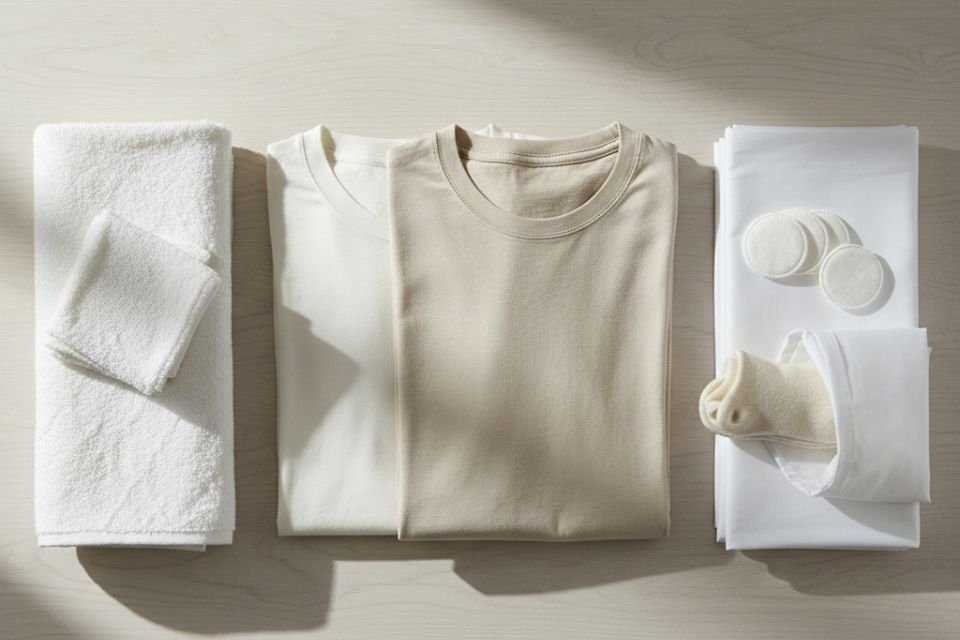
T-shirts, underwear, socks, jeans, and dresses commonly use cotton due to its comfort and breathability.
Home Textiles
Bedsheets, pillowcases, curtains, and towels often contain cotton because it is soft and absorbent.
Medical and Hygiene Products
Cotton is used in bandages, gauze, cotton pads, and swabs because it is gentle and absorbent.
Household Items
Items such as cleaning cloths, upholstery, and canvas products often include cotton fibers.
7. Cotton and Comfort
One of cotton’s greatest strengths is comfort. Cotton adapts well to the body, softens over time, and becomes more comfortable with repeated use and washing.
This comfort makes cotton a reliable choice for everyday wear, especially for people who spend long hours in their clothing or need breathable fabrics.
8. Environmental Considerations
While cotton is a natural fiber, its environmental impact depends on how it is grown and processed.
Traditional cotton farming can require large amounts of water and pesticides. However, advancements in sustainable farming practices, such as organic cotton and water-efficient irrigation, are helping reduce environmental concerns.
Consumers increasingly seek transparency and sustainability in cotton production, leading to more responsible choices in the textile industry.
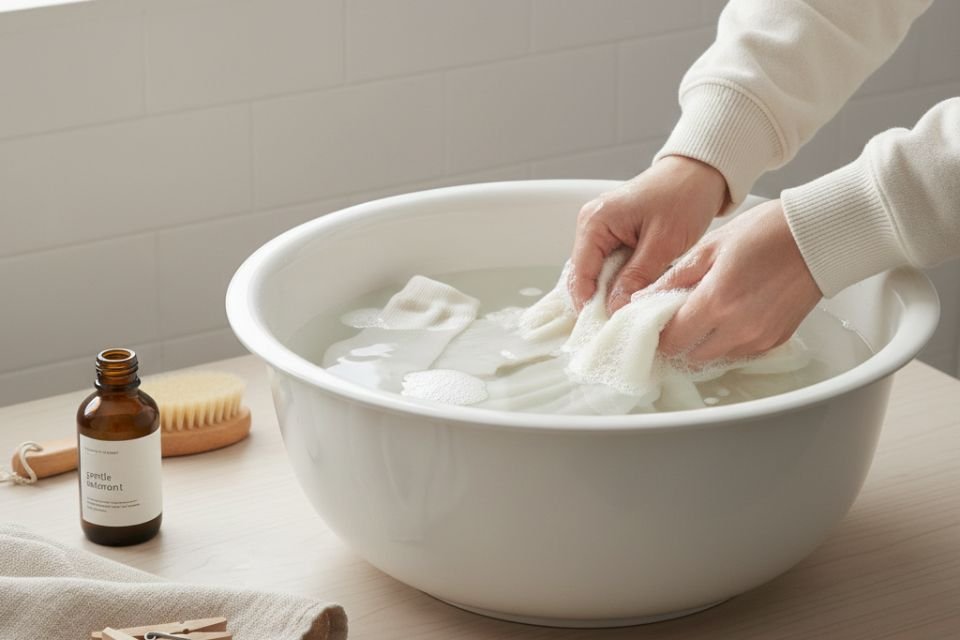
9. Caring for Cotton Products
Proper care can extend the life of cotton fabrics.
- Wash in cold or warm water to prevent shrinking
- Avoid high heat when drying
- Iron at moderate temperatures if needed
- Store in a dry, clean place
With proper care, cotton items can remain comfortable and durable for years.
10. Why Cotton Remains Popular
Despite technological advances in textile manufacturing, cotton continues to be one of the most trusted materials worldwide.
Its natural origin, comfort, versatility, and adaptability make it suitable for a wide range of uses. Whether in clothing, home goods, or medical applications, cotton remains a staple material that meets both practical and emotional needs.
Conclusion
Cotton is more than just a common fabric—it is a natural fiber deeply woven into daily life. From its plant-based origins to its wide range of applications, cotton offers comfort, breathability, and reliability that few materials can match.
Understanding the types, benefits, and uses of cotton helps us make more informed choices and appreciate the value of this timeless material.